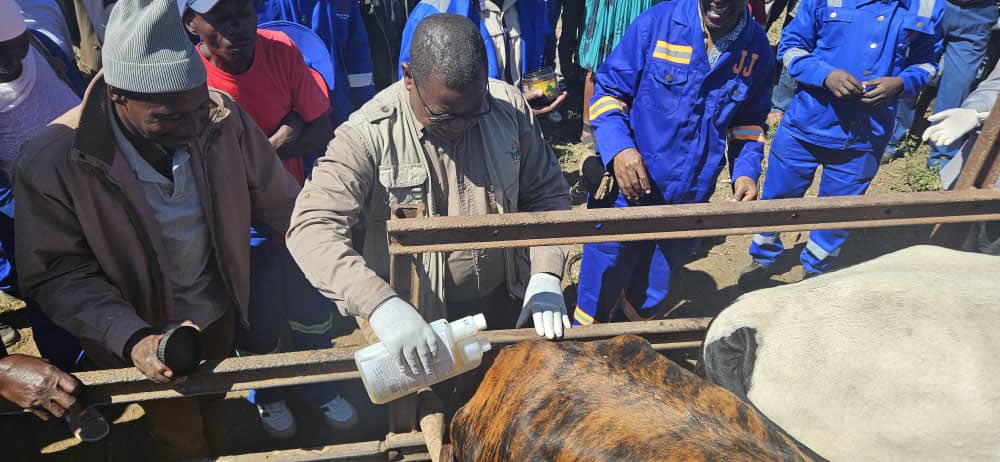
Zimbabwe’s Ministry of Lands and Agriculture is pushing for 10% of the 2026 national budget, saying agriculture is vital for food security, jobs, and rural development. The Ministry highlights progress in irrigation, local seed production, and rural transformation, urging stronger financial support to drive economic growth and achieve Vision 2030
Sharleen Mohammed
The Ministry of Lands, Agriculture, Fisheries, Water and Rural Development (MoLAFWRD) has lobbied Parliament for increased funding in the 2026 national budget, saying agriculture remains the main driver of the country's GDP, food security, employment, and rural development.
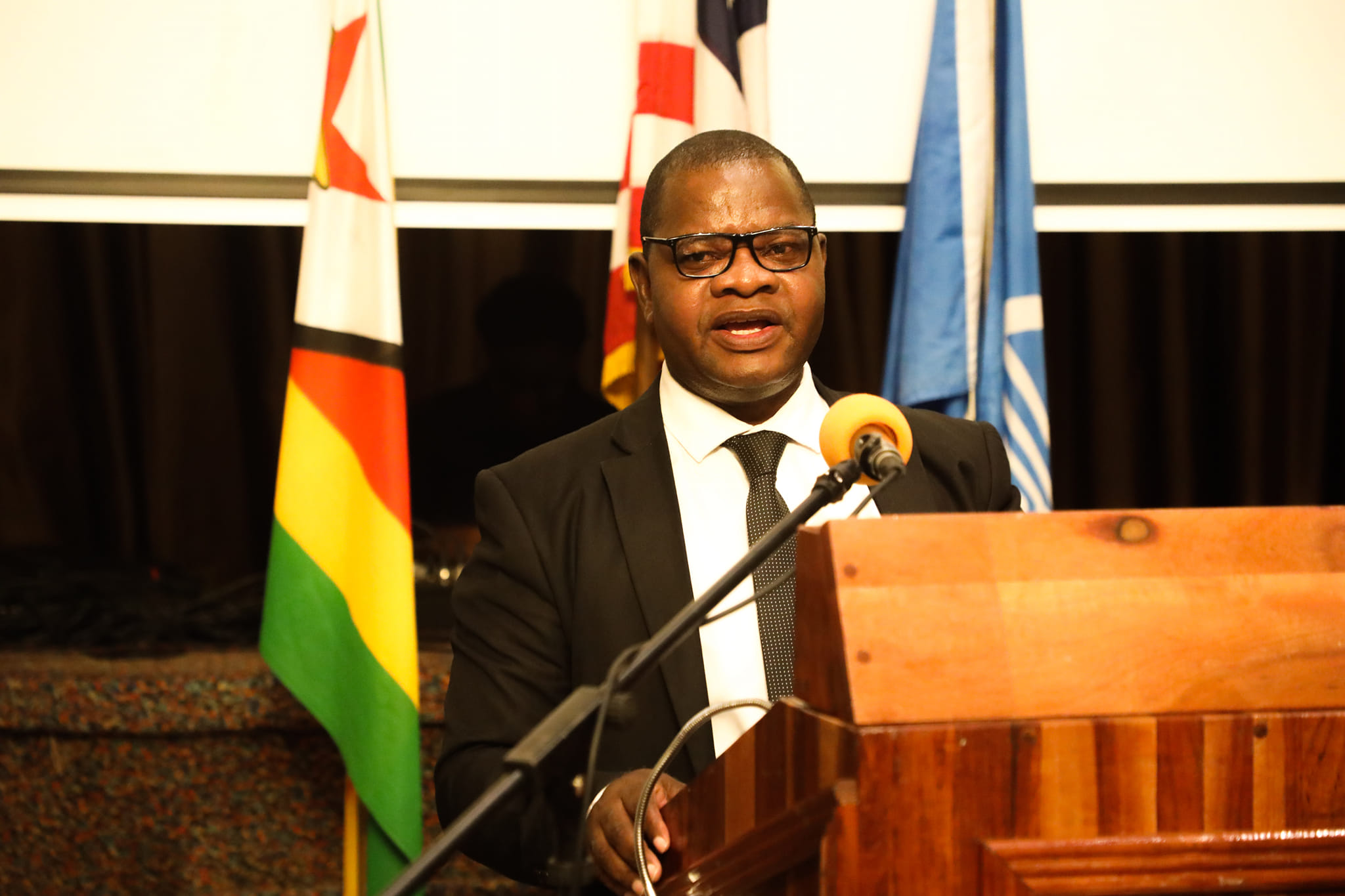
Appearing before the Parliamentary Portfolio Committee on Agriculture during national budget consultations, the Ministry's permanent secretary Professor Obert Jiri said the Ministry’s work is vast and touches every aspect of the economy from food production and irrigation to water management, rural industrialization and research.
“Our Ministry is the largest, it comprises of five vital ministries that is Lands, Agriculture, Fisheries, Water, and Rural Development and each of these areas is vital to national growth and human development.” Said Professor Jiri.
He added that the Ministry’s budget bid reflects Zimbabwe’s identity as an agrarian economy that must invest in its strongest pillar.
“The budget must show that agriculture is the mainstay of our economy, at least ten percent of the national budget should go to agriculture. When we fund this sector, we fund food security, jobs, and GDP growth.”
Prof Jiri said the Ministry’s progress in irrigation development, rural industrialization, renewable energy use and dam construction is already transforming lives, but increased funding will help scale up the impact.
“Dams like Gwayi-Shangani and Gwebvu are not just water sources,” he said. “They power irrigation, fisheries and smallholder projects that have turned dry areas into productive agricultural zones.”
He said climate-smart agriculture and rural industrialisation remain central to the Ministry’s work. “We are transforming villages into business units powered by solar, supported by irrigation, and producing for the market,” said Prof Jiri. “This is how rural transformation is taking shape.”
Prof Jiri said investing in agricultural research is essential for both crops and livestock. “We need to keep investing in research so that our farmers harvest more per hectare and raise better-quality livestock,” he said. “Through improved seed varieties and better animal breeding, we can boost productivity.
"For instance, through artificial insemination, we are improving our national herd by using superior genetics. This is science working for the farmer.”
He added that Zimbabwe is moving towards full seed security and import substitution through the support of local parastatals. “We used to import potato seed, but through Kuitsaga, we are now producing our own,” he said. “We are also manufacturing more of our own fertiliser and building the capacity to make our own inputs locally. We want to make everything for ourselves.”
Different regions, he said, are now focusing on crops suited to their climates. “Masvingo for example is now leading in small grain production because we are encouraging farmers to grow what thrives best in their natural regions,” he said.
“This is the strength of climate-smart agriculture.”
Prof Jiri said paraststal such as ARDA, GMB, ZINWA, AFC, AGRITEX, TIMB and Kuitsaga just to mention but a few are all being capacitated to serve farmers better. “We are improving efficiency and service delivery across our institutions so that every farmer feels the impact,” he said.
He also praised the success of the Pfumvudza/Intwasa programme, which continues to uplift households and improve food security. “Families that once relied on food aid are now producing and selling their own crops,” said Prof Jiri. “That’s real empowerment.”
He concluded by saying that agriculture deserves stronger financial support if Zimbabwe is to realise Vision 2030. “When we fund agriculture, we are investing in our people, our economy and our pride as a nation,” he said. “Agriculture is Zimbabwe’s heartbeat and it must be fully supported.”