In the dusty plains of Mwenezi, a community once marked by hardship is now rewriting its future. Through a government-backed irrigation project, families like Eurita Mahove’s are turning farming into a pathway to dignity, equality, and economic opportunity. Women and youth are leading the charge, transforming not just fields, but lives proving that rural development and industrialization can bring real hope and resilience.
Sharleen Mohammed
The midday sun beats hard on the dusty plains of Mwenezi, where once barren fields stretch towards the horizon. This is Pikinini Jawanda, a 156-hectare irrigation scheme that has become a symbol of transformation turning despair into hope for hundreds of families.
Here, government-led irrigation projects are rewriting lives, showing that rural development and industrialization are not just policy goals, but lived realities.
For Eurita Mahove, a mother of three, the changes are deeply personal.
“The struggle was real,” she recalls. “There was no money in the house, children stayed home from school, and arguments were common. At one point, gender-based violence was the order of the day.” Said Mahove.
Her story took a turn when government, working with the United Nations Development Programs and Green Climate Fund, supported the rehabilitation of Pikinini Jawanda.
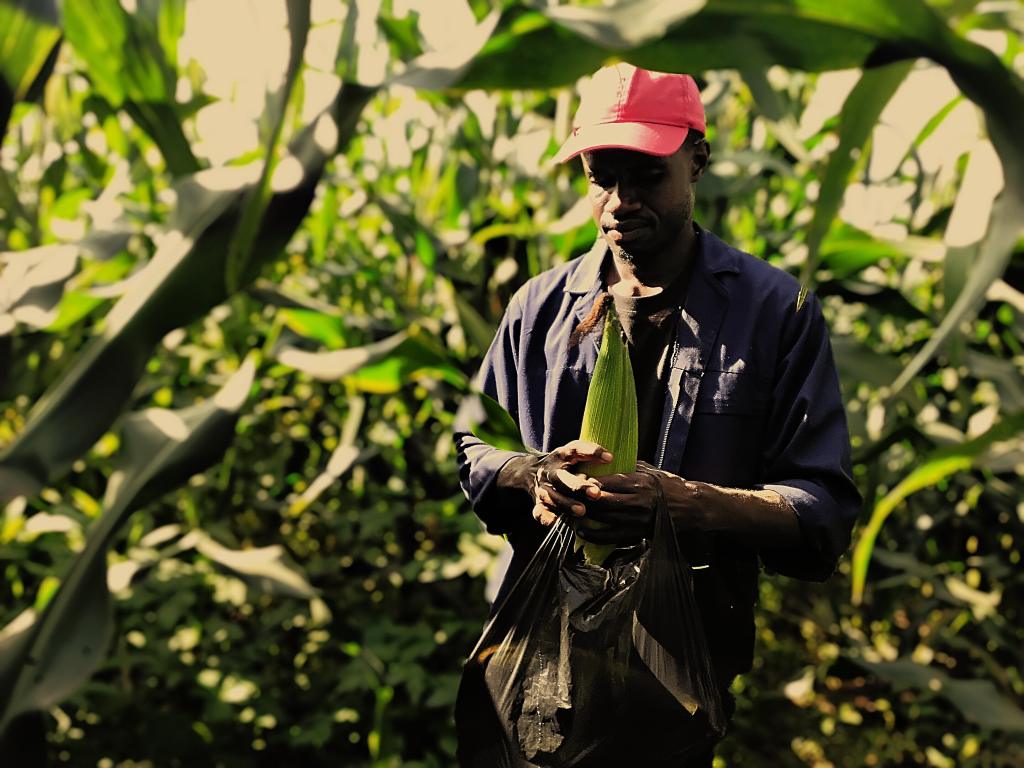
Today, Mahove is part of a group of farmers contracted by Seed Co Pvt Ltd to produce sugar bean seed on 30 hectares of the scheme. She smiles as she explains the difference: “With this partnership, I no longer worry about our next meal. I can plan for school fees, invest in the future, and I now see farming as a business, not just survival.”
This season, farmers are targeting 54 tonnes of sugar bean seed, supplied with certified inputs, technical support, and guaranteed markets. The collaboration is embedding smallholders into structured value chains, which government says is key to building resilience and reducing rural poverty.
Last season, the 300 households linked to the scheme harvested 19 tonnes of grain for home use and earned nearly USD 4,000 from sales, money reinvested into farming.
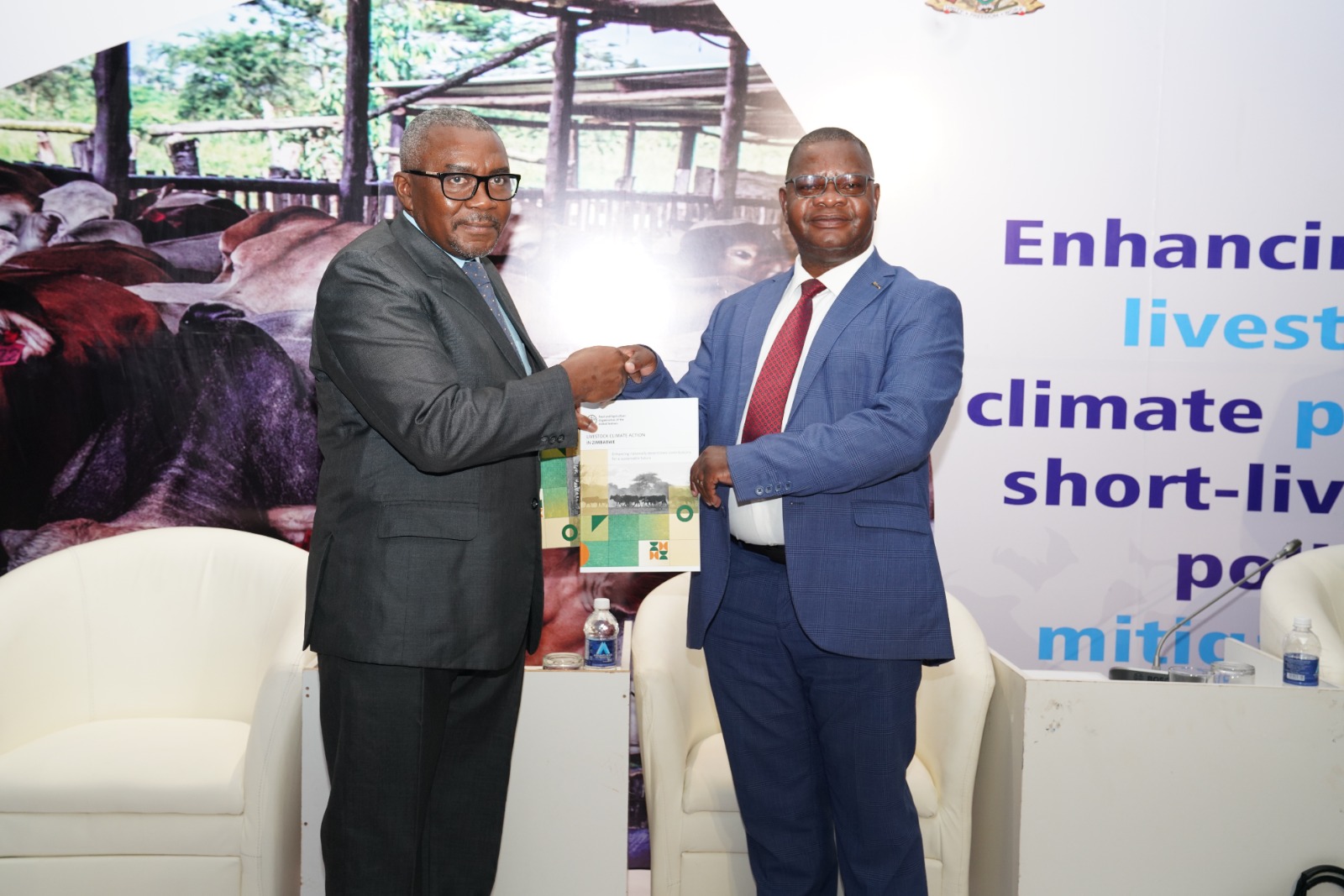
According to Professor Obert Jiri, Permanent Secretary in the Ministry of Lands, Agriculture, Fisheries, Water and Rural Development, the model represents a new future for agriculture:
“To grow into viable agribusinesses, our farmers must partner with the private sector. What is happening at Pikinini Jawanda shows the potential of structured markets and irrigation to lift communities.”
The impact goes beyond food security. Youths are being drawn into farming with renewed interest. “I used to think farming was for the old,” said 27-year-old farmer Tafadzwa Chisango. “But now, it gives us income and independence. I don’t see farming as suffering anymore—it’s an opportunity.”
Women, too, are gaining recognition as equal partners in farming decisions. According to farmers at the scheme, domestic violence cases have gone down as incomes have risen, and households now plan together.
Seed Co’s Head of Agronomy, Mrs. Wendy Madzura, described the partnership as a win-win: “Farmers get reliable markets and training, while we gain quality produce for the seed market. It is about building trust and long-term growth.”
The country is pursuing irrigation development as a backbone of rural industrialization. According to government figures, the country has the potential to irrigate 2 million hectares, but only about 220,000 hectares are currently equipped. Schemes like Pikinini Jawanda are therefore central to achieving Vision 2030 goals of food security, job creation, and poverty reduction.
For parliamentarians, the project offers lessons for scaling up.
Professor Jiri added: “Value chains are the backbone of industrialization. What we see here is how rural irrigation can connect farmers directly to markets, cut imports, and create real economic opportunities in villages.”
Looking ahead, plans are in motion to transform Pikinini Jawanda into a Seed Co distribution hub, extending its role from production into supply.
For Mahove, that future feels within reach. “I never thought I would say this, but farming has given me dignity. My children are in school, there is peace at home, and I know tomorrow will be better.”