Knockmalloch stands as a living example of Zimbabwe’s undying commitment to self-sufficiency — where rural development is not just about shelter, but about industry, innovation, and opportunity. From farmland to fully serviced homes, Chegutu’s transformation tells a story of resilience, innovation, and national pride — the pillars driving Zimbabwe’s journey toward Vision 2030.
Sharleen Mohammed
In the quiet district of Chegutu, a revolution is silently unfolding.
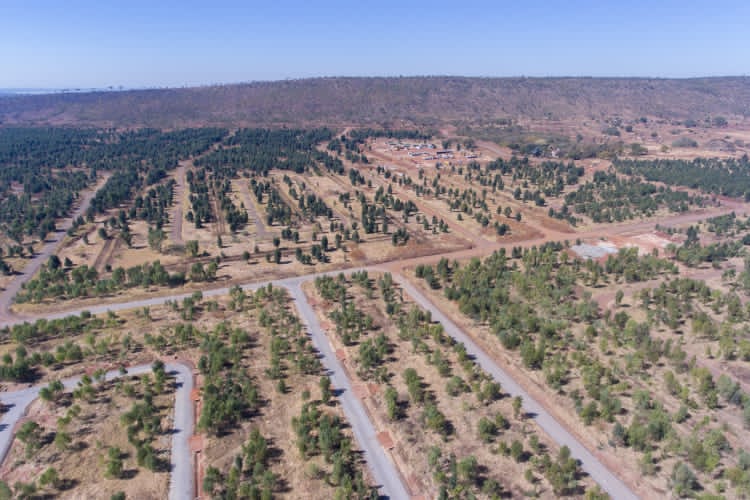
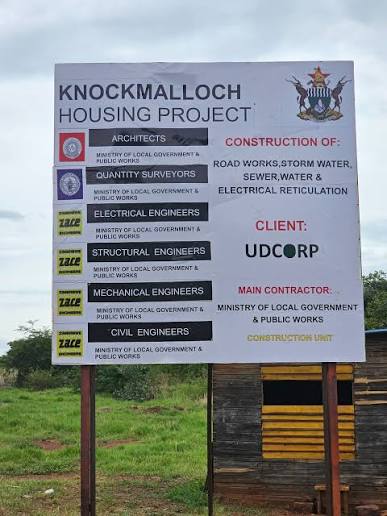
The US$22 million Knockmalloch Project, spearheaded by the state-owned Urban Development Corporation (UDCORP), is quietly but resolutely transforming idle land into a modern settlement of homes and light industries, with a healthy dose of social infrastructure.
The project is part of Zimbabwe’s broader Rural Transformation Agenda (2026–2030), which seeks to build resilient, productive, and economically active rural communities. For years, largely rural settlements like Chegutu have suffered from limited decent housing, poor supportive infrastructure, and a dearth of industrial sites. This has pushed many, especially the young, to migrate to cities in search of opportunity.
UDCORP Chief Executive Officer, Joey Shumbamhini, says the Knochmalloch Project is specifically designed to m3nd this local development breach.
“We are creating complete settlements, not dormitories,” he says. “Every house we build must be supported by services, jobs, and opportunities. People should be able to live, work, and raise their families where they are without feeling the need to relocate to Harare or Bulawayo.”
Zimbabwe’s push to cut imports, promote rural industrialisation and create jobs for women and youth finds practical expression in Knockmalloch. The site’s light industrial zones offer space for agro-processing and small workshops, enabling local manufacturing and value addition.
“The design integrates economic activity,” explains Shumbamhini. “People won’t just live here; they can process farm produce, open workshops, or run agro-businesses. This is how we build rural economies that sustain themselves.”
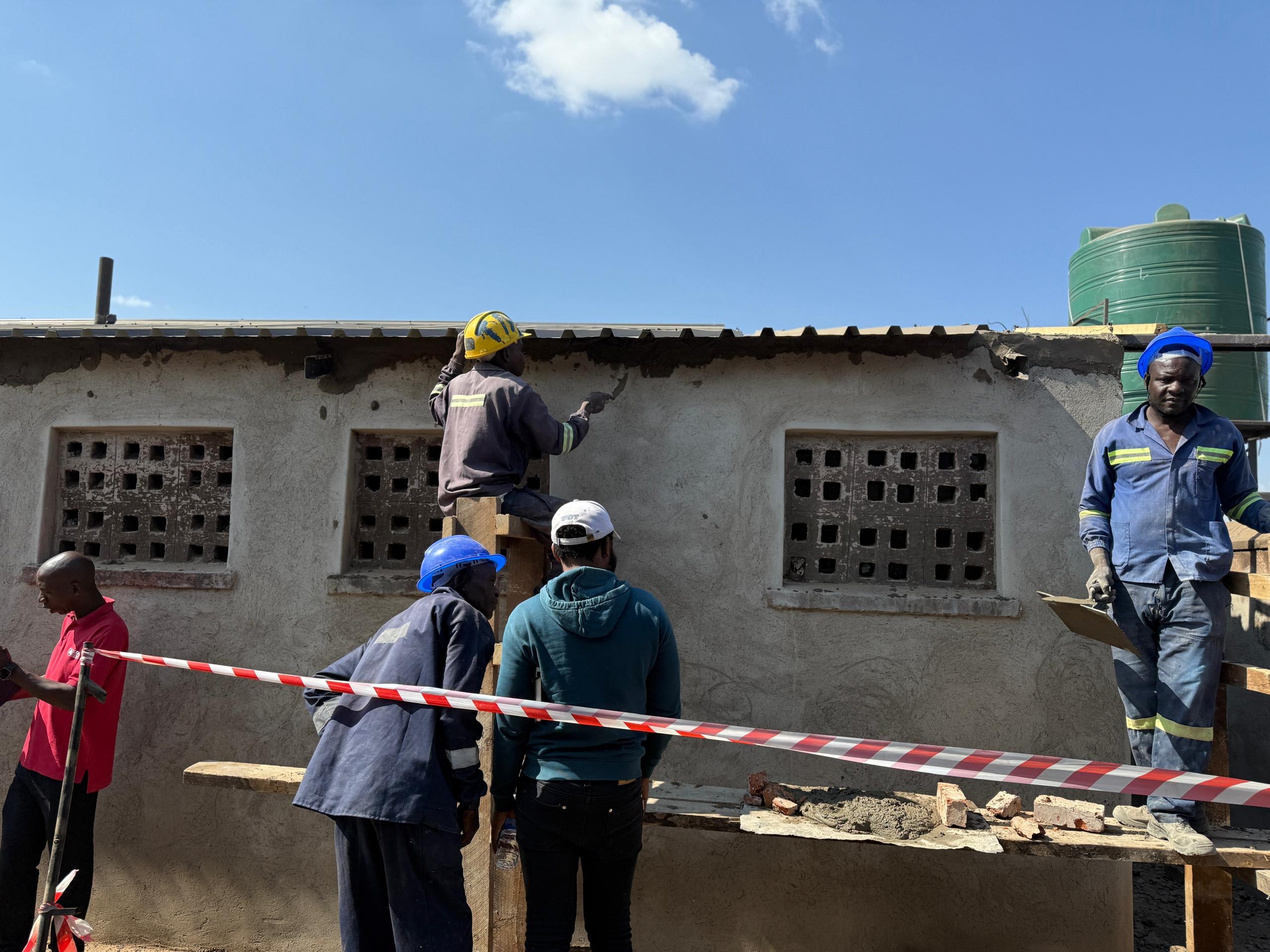
The project comprises 3,500 residential stands from high to low-density, and offers affordable payment plans targeting civil servants, pensioners, and low-income families. UDCORP is also building roads, sewer and water systems, and modern bio-digesters to ensure the community has functional and sustainable infrastructure.
Minister of National Housing and Social Amenities, Zhemu Soda, has said Knockmalloch represents “real, tangible transformation” that aligns with Vision 2030.
“Affordable, serviced land and infrastructure are central to building communities of dignity and opportunity,” he said. “Knockmalloch shows what happens when government institutions and local authorities pull in one direction we deliver results.”
Echoing his sentiments, Minister of Local Government and Public Works, Daniel Garwe, has said government’s goal is to decentralise development.
“We want rural Zimbabwe to have the same opportunities as urban centres,” he has said. “Projects like this promote rural industrialisation, create jobs, and improve living standards. This is what inclusive growth looks like.”
Garwe has also noted that by integrating light industries and social amenities, the project contributes directly to Zimbabwe’s US$15.8 billion agricultural and industrial economy target by 2030.
“When people have land, jobs, and markets close to home, they can produce, process, and prosper. That’s the spirit of rural transformation.”
UDCORP says it is working with the Chegutu Rural District Council to ensure the project reflects local needs and creates business opportunities for the community.
Knockmalloch stands as a living example of Zimbabwe’s undying commitment to self-sufficiency, where rural development is not just about shelter, but about industry, innovation and opportunity.
“This is how we build Zimbabwe brick by brick, empowering families, creating jobs, and reviving rural economies,” enthuses Shumbamhini.
From farmland to fully serviced homes, Chegutu’s transformation tells a story of resilience, innovation and national pride - the pillars driving Zimbabwe’s journey toward Vision 2030.